No products in the cart.: ₹0.00

By Suraj Kumar
0 Comments
Although Jeera seems like a common spice in the kitchen, a mere pinch of Jeera is enough to transform the taste of an Indian dish entirely.
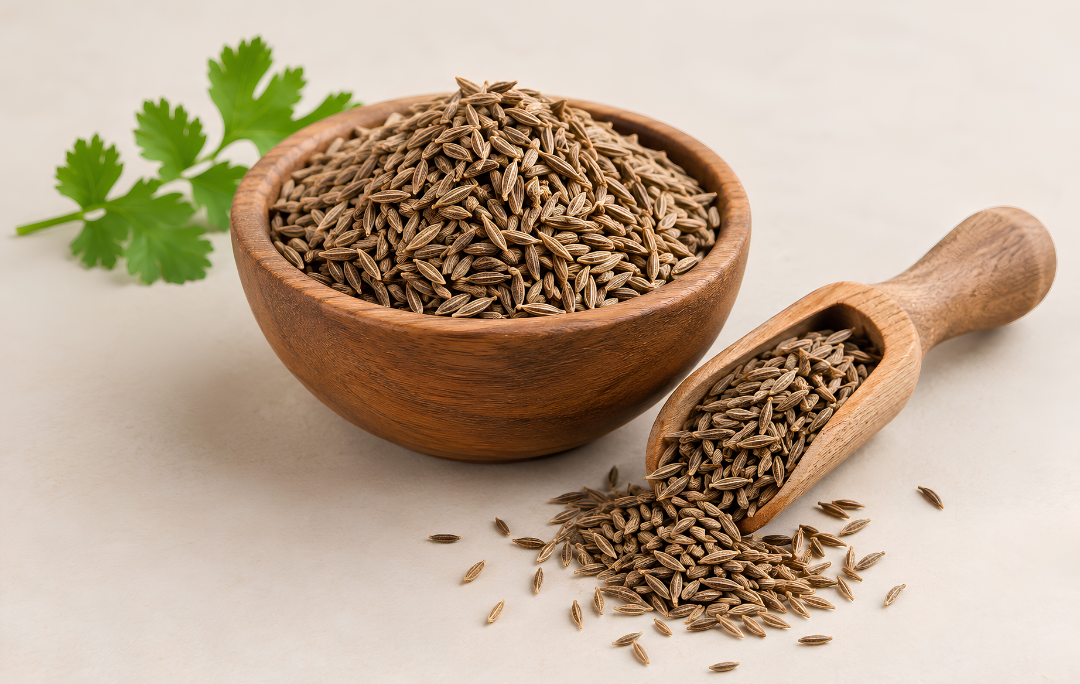
Referred to as ‘cumin’ in English, ‘jeera’ finds a common place in Indian kitchens. The spice can be seen in a bottle along with other spices such as turmeric, coriander, and chilli powder, among others. What makes Jeera distinct from the others? Jeera is capable of kicking off a dish, enhancing its taste, adding aroma to the tadka, and warming up the dish without making it too spicy.
Jeera is present in most Indian dishes such as dal, sabzi, rice, raita, curry, and spice mixes, among others. What makes Jeera useful is not just having it in the kitchen, but using it appropriately in the right way.
Jeera Is Not Only Another Indian Spice
Jeera is known for its unique flavor that cannot be replaced by any other spice.
Uncooked Jeera seeds are characterized by a peculiar earthy smell with a slightly bitter and warm taste. When Jeera is heated in oil or ghee, its properties rapidly change.
This is the reason why Jeera is used at the start of cooking in India.
Let us consider the preparation of ordinary dal as an illustration. Dal has a weak taste on its own, however, a tadka with hot ghee or oil, Jeera, garlic, dried chilli, and other spices will give it a new flavor. The taste of Jeera does not prevail in the dish, it only serves as a background.
The same rule applies to vegetables.
Potato sabzi is an example of the simplest recipe which consists of potatoes, salt, turmeric, chilli and Jeera only. The process in which the Jeera is put to heat in the oil before the potatoes go into the pot enhances the taste of the dish as compared to that in which the Jeera powder is just mixed in the vegetables.
The whole Jeera not only adds taste but also texture. In the dish we can find the seeds and can also smell and taste them while eating.
This makes Jeera quite an important ingredient in Indian cooking.
Tempering Jeera Changes Its Entire Personality
Heat makes Jeera come alive.
A straightforward way to use it is through Tadka or tempering. Some oil or ghee is heated in a pan, and then the Jeera seeds are added to the hot mixture. The seeds start crackling due to the heat.
That is precisely the right time.
When the oil is too cool, the seeds will not pop up and provide much flavor to the dish. But if the oil is too hot, the Jeera seeds might get burnt fast and give off a bitter flavor.
This is the best time when the seeds start sizzling and emitting an aromatic roasted flavor. That’s when the chefs can add the desired ingredients like chopped garlic, onion, dry red chilli, curry leaves, and whole spices in general.
Here’s one of the reasons why Jeera seeds still have their charm despite ground cumin being readily available.
Jeera powder is easy to use and helps in the even spread of flavor in the dish. Roasted Jeera has a stronger aroma than powdered Jeera which gives the first impression.
The process of roasting also leads to the creation of another flavor profile.
Dry roasted Jeera has a nutty aroma. Dry roasted Jeera can be ground to form powder and used in dishes such as raita, chaas, chutney, salads, and spices.
A bowl of curd sprinkled with salt and dry roasted Jeera powder shows the difference very well.
Therefore, how the spice is cooked becomes just as important as the spice itself.
Jeera is Used in Nearly All Indian Dishes
Jeera is effective as it easily lends itself to multiple dishes.
Jeera in Dal
Dal provides a simple example that helps illustrate the significance of Jeera.
In a simple dish like dal, one needs only to add tadka of ghee with whole Jeera, garlic, and dried red chilli over the dal. Adding the hot spices to dal creates an instant flavor effect.
This does not have to be much since a little of this hot fat can affect the whole pot because the flavors are released by heat.
Jeera in Sabzi
Jeera goes well with potatoes, cauliflower, peas, carrots, beans, and other vegetable dishes too.
Jeera is added to hot oil for making Jeera aloo without the potato. The seeds add their flavor to the oil, which in turn gets absorbed by the potatoes during the cooking process.
In this way, one can prepare an Indian dish without making it complicated.
Jeera in Rice
Jeera rice demonstrates how a single spice can make a simple grain into something more exciting.
Plain rice tastes quite bland. Adding jeera after tempering it with ghee, and sometimes bay leaf, cinnamon, cloves, or green cardamom, gives an aromatic base to the rice.
The dish does not really need any gravy or masala; jeera is enough to give it character.
Jeera in Raita
Jeera powder is among the simplest ways of enhancing your raita.
Roasted Jeera powder can be mixed in curd along with salt and some other suitable ingredients like cucumber, onion, or boondi. Roasted Jeera powder gives your raita an earthy smell due to which it complements the refreshing curd perfectly.
It is also an excellent illustration of the importance of roasting. Roasted Jeera and plain Jeera have different tastes.
Jeera in Masala Blends
Jeera is usually never used on its own in spice mixes.
Jeera is commonly found along with coriander, black pepper, cardamom, cloves, cinnamon, chilli, etc. Every one of these ingredients adds a unique flavor, whereas Jeera forms the earthy base for the mixture.
Commonly used masala blends in India
Whole Jeera and Jeera Powder Serve Different Purposes
There should be no competition between Whole Jeera and Ground Jeera for the same purpose.
Whole Jeera should be used when you wish to achieve visibility of the seed, its crunchiness and its intense aroma when tempering. It should naturally fit into tadka, Jeera rice, vegetable preparation and some curries.
On the other hand, the Jeera powder works differently. Since the seeds have been already ground, the flavour will be evenly distributed in the food. This is why it would be better to use it for making spice blends, marinades, raita, chutneys, chaats, etc.
Roasted Jeera powder provides yet another benefit because of its richer toasted note.
Therefore, your choice depends on the cooking method.
If you begin preparing your dish with heating of the oil, then you will most likely choose whole Jeera. And if you add spice to the finished raita or seasoning, Jeera powder will serve your purpose better.
Good Jeera Starts With Quality
Jeera quality is an important parameter for your final food preparation process, and most of us don’t realize that.
It means that you need to purchase high-quality cumin seeds with a clear distinctive smell. It is not supposed to be very diverse in color and shouldn’t have an unpleasant smell.
This is because aromatic properties decrease over time and a bottle which is open for quite a while may still contain Jeera seeds but have a much weaker flavor.
Storage is also crucial.
You need to store Jeera in a closed container in a dry place away from direct sunlight and hot places. A cabinet inside the kitchen will do better than an opened container near the cooker.
Do not purchase too much product and store it for too long, because fresh products usually provide better flavor than older ones.
The same rule can be applied for ground Jeera. Ground spices have bigger contact with the air and lose their fragrance sooner than whole seeds.
In case you cook at home, you can try storing whole seeds and grind small amounts when necessary.
Jeera Does Not Need to Dominate a Dish
The proper application of Jeera is all about balance.
Jeera has its unique character, but Indian cuisine never uses only one spice at a time. It requires a combination of spices in such a way that no one takes the lead in the preparation.
In the case of a vegetable curry, Jeera will offer an earthy foundation, coriander will give the fresh touch, chilli will be responsible for the heat, turmeric will introduce color, and garam masala will add complexity.
Such balance is what makes the use of Jeera possible in any recipe.
It will be able to work with spicy elements without getting hidden in the preparation.
Jeera can find its place in raita, dal, curry, and even rice preparation. It will be used in different quantities and by different methods of cooking but always for the same purpose – warming up the ingredients and making them more delicious.
The Everyday Value of Jeera Comes From Its Versatility
Jeera deserves to be there in the kitchen because one spice can take care of many aspects of a dish.
It can act as the first spice for a tadka. It can spice up rice. It can give taste to vegetables. It can add roasted flavor to raita. It can also enrich masalas. And, of course, it can give the finishing touch to chaats and certain snacks.
Such versatility adds much more value to Jeera.
You don’t have to know any complicated recipes to make it taste great. Just heat some oil, put Jeera in it, let it crackle, and then continue building your dish from there. This simple approach is known in thousands of Indian kitchens for one good reason – it’s effective.
Jeera also helps understand one important concept about Indian cuisine: flavor comes not only from spices but also from technique.
The same seeds will have completely different taste, depending on whether you use them in a raw form, temper them in oil, roast them dry or powder them.
Final Thoughts
Jeera is not just an ordinary spice used in an Indian kitchen, but it is probably one of the easiest things that give flavor to food. Whether it is dal, jeera rice, or roasted jeera raita, using the right techniques can turn these tiny seeds into something really flavoursome.