No products in the cart.: ₹0.00

By Suraj Kumar
0 Comments
Kala namak smells like a boiled egg on purpose, and you’ve been treating that smell like a defect.
Treat Kala Namak as a Finishing Spice, Never a Cooking Salt
Kala namak belongs at the end of a dish, never in the pot. That one rule separates the cooks who love black salt from the cooks who bury a half-used packet behind the atta tin.
Traditional makers seal rock salt in a jar with charcoal and herbs such as harad and amla, then fire it in a furnace for many hours. The heat and charcoal convert sulfur compounds in the salt into sulfides. When those sulfides meet moisture on your tongue or in your raita, they release hydrogen sulfide, the same gas that gives a boiled egg its smell. That’s chemistry, not spoilage. The lumps look dark violet-brown, almost black, and the powder turns pinkish grey once you grind it.
Kala namak still counts as salt, because sodium chloride makes up most of it. But nobody buys it for salinity. You buy it for the sulfur note, and that note sets it apart from the two salts people confuse it with:
| Salt | Smell | Where it works |
|---|---|---|
| Kala namak | Sulfurous, eggy | Chaat, raita, fruit, jaljeera, cold drinks |
| Sendha namak | Almost none | Fasting meals, everyday seasoning |
| Himalayan pink salt | None | Anywhere you’d use plain salt |
Swap one for another and the dish suffers. Sendha namak tastes clean and simple, which is exactly why many households use it during vrat. Put it in your pani puri pani and the pani tastes flat. Put kala namak in your fasting aloo and the whole kitchen smells like an egg curry.
Real kala namak announces itself the moment you open the jar. If you sniff your packet and smell nothing, you either bought a tired batch or a product that skipped the sulfur chemistry, and neither will give you the flavor this article describes. Return it, or use it up on your dal and buy a better one.
Think of kala namak the way you think of hing or amchur. You would never season a dal with a spoonful of amchur just because a pinch tastes good. Kala namak demands the same discipline: a small amount, at the right moment, on the right food.
How to Use Kala Namak in Indian Food
Kala namak won’t detox your body, cool your system, or cure your acidity. Every “benefits of black salt” listicle promises those things, and none of them can point to strong evidence.
Run the arithmetic. Kala namak is mostly sodium chloride, with trace amounts of minerals such as iron, magnesium, and potassium. You eat it a pinch at a time, well under a gram per serving, so those trace minerals don’t register nutritionally. Your dal, sabzi, and fruit supply far more of each.
The sodium matters more than the minerals. The WHO recommends that adults keep salt below 5 grams a day, and kala namak counts toward that limit. If you manage high blood pressure and believe black salt lets you season freely, you’re wrong. Sodium still enters your body, so swapping it in for regular salt lowers nothing.
Ayurveda has used kala namak as a digestive for centuries, and that tradition is real. Jaljeera, hajmola-style churans, and a pinch on fruit after a heavy meal all rely on it. The clinical evidence for specific digestive claims stays thin, though, so treat the tradition as a habit that feels good, not as a prescription. A cold, sour, spiced drink after a heavy thali works partly because it tastes great and gets you drinking water. You don’t need a miracle to explain that.
The honest benefit is flavor per pinch. A cucumber with kala namak and lemon needs nothing else. A bowl of plain dahi becomes raita you’d serve to guests. One cheap jar gives you the tangy, funky depth that a dozen ingredients otherwise fail to fake. That benefit is real, and it doesn’t need a wellness label to justify itself.
Use It Raw, Cold, and Sour
Kala namak performs best on food that’s raw, cold, or sour, and it peaks when all three overlap. Acid tames the sulfur so it reads as savory tang rather than egg. Cold food holds the aroma. Raw ingredients give it no competition.
Here’s how that looks in a real kitchen, with quantities you can start from:
- Raita: For 250 g of dahi, use ¼ tsp kala namak, ½ tsp roasted jeera powder, and a tiny pinch of regular salt. Boondi raita and cucumber raita both improve immediately.
- Chaas and namkeen lassi: Add ⅛ tsp per glass with roasted jeera and crushed pudina.
- Jaljeera and pani puri pani: If your pani tastes flat even with enough imli and pudina, the missing ingredient is kala namak.
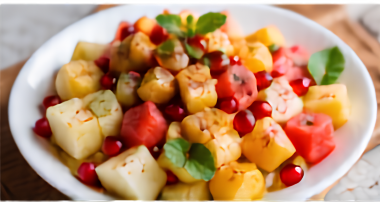
- Fruit and raw vegetables: Sprinkle ¼ tsp over a bowl of amrood, cucumber, raw mango, watermelon, or pineapple, then squeeze lime on top. Sweet-sour fruit takes to kala namak faster than anything else.
- Chaat: Dahi vada, papdi chaat, aloo chaat, and sprouts salad all want it. Most chaat masala already contains kala namak, but a fresh pinch on top adds punch that the packet lost on the shelf.
- Nimbu pani and shikanji: A pinch turns sweet-sour lemonade into something you sip slowly.
- Egg-free “egg” flavor: Stir ¼ tsp into tofu bhurji per 200 g of tofu after you switch off the gas. The sulfur note mimics egg convincingly, and vegetarian households that miss anda bhurji get their closest result from this one trick.
The pattern is simple. Add kala namak wherever you’d add a squeeze of lime, because both wake up food that’s already fresh. Neither one rescues a dish that’s tired, overcooked, or heavy. Test it yourself tonight: split a bowl of sliced cucumber in two, season one half with regular salt and lime, and season the other with kala namak and lime. Taste them back to back. The second bowl will convince you faster than any paragraph can.
If you want one jar that handles most of that list, make a sprinkle mix. Dry-roast 2 tbsp jeera until it smells nutty, then grind it with 1 tbsp kala namak, 1 tsp amchur, ½ tsp black pepper, and ¼ tsp red chili powder. Keep it airtight and dust it over fruit, raita, or boiled chana. It costs a few minutes and beats most packets, because you control the sulfur-to-sour ratio.
Chaat masala shows the logic in action. Its makers blend kala namak with amchur, jeera, and coriander so that sulfur, sourness, and earthiness balance each other in one spoonful. When you use kala namak alone, you rebuild a piece of that balance yourself. Add your own acid (lime, amchur, imli, or dahi) and you’ll get the same effect.
Heat Kills It, and Three Other Ways You Waste It
Heat destroys kala namak, and most Indian cooking involves heat. The volatile sulfur compounds escape in steam and hot oil. Add black salt to a simmering dal at the start, and you pay for an aroma that leaves through your chimney. Add it after you switch off the gas, or better, at the table.
Hot food isn’t off limits, as long as the heat comes first. Roast a bhutta over the flame, rub it with lime, and dust kala namak on while it’s still steaming. Sprinkle it over paneer tikka straight off the tawa. The salt meets the food after the cooking ends, so the aroma lands on your tongue instead of vanishing into the air.
Overdosing wrecks the dish from the opposite direction. Too much kala namak makes food taste like a boiled egg forgotten in a lunch box. Start at ¼ tsp per bowl, taste, and add a pinch at a time. You can always add more, but you can never take it out.
Storage costs you flavor more quietly. Ground powder loses aroma faster than lumps, because more surface area meets the air. Buy whole chunks, grind a small batch in your khalbatta every few weeks, and keep it in an airtight jar, far from the steam beside your stove. Kala namak absorbs moisture, and damp salt smells flatter and clumps into a brick.
Replacing all your salt with kala namak makes the fourth mistake. Regular salt does the salting, and kala namak does the flavoring. A raita seasoned only with kala namak tastes like a chemistry lab. A raita with a pinch of regular salt and a quarter teaspoon of kala namak tastes like the best chaat corner in your city.
Kala namak fails as a salt and wins as a spice. Cooks who accept that split get the best raita, chaat, and fruit bowl of their week from one small jar.